An editorial is a something that someone writes and publishes for others to read and can be editted. Wikepedia is an excellent example of an editorial. Although Wikipedia is a very popular website, teachers do not usually reccomend it for research- atleast my teachers do not. Teachers would always say "You can use any source to help you research, however, DO NOT use wikipedia!" Everyone would always wonder why, but no one ever said anything. We just followed directions and didn't use wikipedia.
One day, one of the students in my class raised their hand and asked, "Why can't we use wikipedia?" The teacher then explained that wikipedia was not a trustworthy cite because anyone was allowed to edit the cite. This was a good thing because false information could be changed, but this could also be a bad thing. Many times, wikipedia is wrong because people change the correct information either on purpose or by accident. Many times the background is right, but the dtails are incorrect. Because of the false information, our teachers do not like when their students use wikipedia.
After reding this article, my opinion has not changed. I still do not believe people should be using wikipedia. Yes, it might be fun to edit information, but there are times where student's information can be wrong and will lead to others learning the wrong information. This means that when students are writing their own essays or reports for school, they'll get points taken off for incorrect information that others edited onto a cite. Using wikipedia might be a good way to know the backgrounf information of a certain topic, but should not be used as a source to write a report of any such.
Monday, September 29, 2014

Thursday, September 25, 2014
September 26th, 2014 Tech Article
FINDER

- Device developed by NASA
- Entire body moves when heart beats
- small movements and vibrations
- Developed device that picks up movements
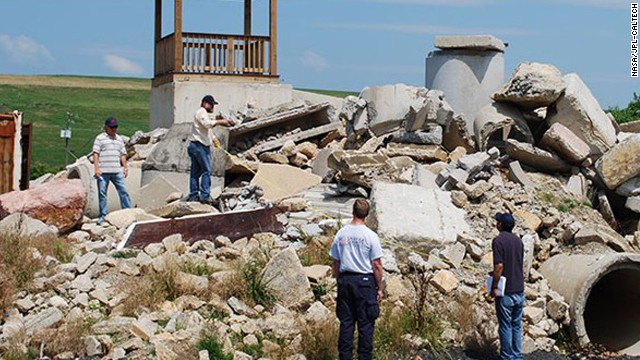
- 40ft of debris
- helps in disasters
- built to help find survivors faster
- uses a low powered radio to detect motion
- can pinpoint vibrations that only show signs of life
- signals that look like human heartbeats
- Takes a few minutes to setup
- Hit the "Search" button
- Web page appears on the FINDER laptop in just 30 seconds
- shows how many heartbeats are found within 100ft
- Nasa doesn't produce or sell it
- only way to get more is for a company to take over and sell
- would sell for about $10,1000.
Thursday, September 18, 2014
Self-Driving Cars Being Tested in California 9/19
- State of California is allowing self-driving cars to be tested.




- Has been tested in Europe and other U.S states
- Nevada
- Michigan
- Was important for Audi to get approval
- The company's Electronics research lab is located in California
- The car was revealed in May
- Hope to have the car in market in the next five years
- Has manual controls
- Was the only way California would allow this
Tuesday, September 16, 2014
Web 2.0: Multimedia Blog Pre-Posting
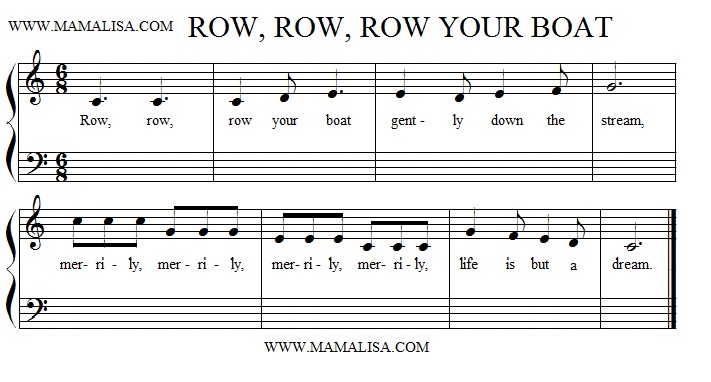
Most schools provide technology for students. Luckily, I go to a one of these schools. There is technology being used in many different ways all the time. If you look closely, you will realize all the technology that is being used in your classes. One of the classes that I have is Sight Singing- a class where a group of students learn to read and write music and also learn to sing in tune with a group of other singers.

Mrs. Manolakakis is the Sight Singing teachers. She grew up in Wood-Ridge and always wished to have a music class where she could learn to sing and read music. After following her dreams, she graduated college and became a music teacher here in Wood-Ridge. Just like other teachers, she has a grading policy. Quizzes are 10%, tests are 30%, and participation, classwork and homework are 60% of your grade. In sight singing, Mrs. Mano is more focused on making sure her students are singing and reading the music notes which is why participation is the majority of your grade.
During my time spent in Mrs. Mano's class I hope to learn how to read music and understand how it is written.
Monday, September 15, 2014
Educational Technology and Copyright Law
- Copyright:
- Copyright is a United States federal law that protects your work from being stolen.
- © is the copyright symbol
- © is not needed to let others know not to copyright. It is automatically yours with or without the symbol.
- Fair use:
- You can use someone else's work for purposes such as criticism, comment, news reporting, teaching, scholarship, or research.
- Learning to write work in your own words should be taught in school.
- Unlicensed work
- Licensed Images:
- Most images are licensed
- When using someone else's pictures, you have to give credit.
- Can you use an image?:
- If an image that you wish to use is licensed you can use it as it says, or not use it at all.
- If it's not licensed you should follow the fair use rules.
- Overall:
- You can use pictures for educational purposes.
Subscribe to:
Comments (Atom)